Introduction
Child healthcare guidance ensuring growth development and strong immune systems focuses on physical growth, immune function, and developmental progress from birth through adolescence. Child health requires continuous monitoring and structured care from caregivers and health professionals.
Growth and development occur in stages. Each stage includes changes in body size, brain function, behavior, and immune response. Proper guidance helps maintain stable development and reduces risk of illness.
This article explains growth, development, immunity, and healthcare methods for children in structured form.
Overview of child healthcare
Child healthcare includes monitoring and support for physical and mental development. It focuses on prevention, early detection, and treatment of health issues.
Main areas include:
- Growth tracking
- Development monitoring
- Immune system support
- Nutrition management
- Disease prevention
Healthcare begins at birth and continues through adolescence.
Growth in childhood
Growth refers to physical increase in height, weight, and body structure. Growth occurs in stages and varies between children.
Growth depends on:
- Nutrition intake
- Hormone activity
- Sleep patterns
- Genetic factors
Regular growth monitoring helps identify delays or abnormalities.
Growth measurement includes height, weight, and body proportion tracking.
Development in children
Development refers to skill progression in physical, mental, and social areas.
Development areas include:
- Motor skills
- Language skills
- Cognitive function
- Social interaction
Development follows predictable stages but timing may vary.
Monitoring development helps identify early intervention needs.
Immune system function in children
The immune system protects the body from infection and disease. In children, the immune system develops over time.
Immune system functions include:
- Infection defense
- Pathogen recognition
- Recovery support
Children are more exposed to infections due to developing immunity.
Immune strength depends on nutrition, vaccination, and hygiene.
Nutrition for growth and immunity
Nutrition supports both growth and immune function.
Key nutrients include:
- Protein for tissue development
- Carbohydrates for energy
- Fats for brain development
- Vitamins for immune response
- Minerals for bone development
Balanced nutrition supports stable growth patterns.
Poor nutrition affects both immunity and development.
Role of breastfeeding in early life
Breastfeeding supports early immune development.
Benefits include:
- Nutrient delivery
- Immune protection
- Digestive support
Breast milk contains antibodies that support infection defense.
Early feeding practices influence long term health outcomes.
Vaccination and disease prevention
Vaccination protects children from infectious diseases.
Vaccines help the immune system recognize pathogens.
Vaccination schedules include:
- Early childhood vaccines
- Booster doses
- School age vaccines
Vaccination reduces disease spread and complications.
Hygiene and infection control
Hygiene practices reduce infection risk.
Methods include:
- Hand washing
- Clean water use
- Safe food handling
Children learn hygiene practices through guidance and routine.
Infection prevention supports immune system stability.
Physical activity and development
Physical activity supports muscle growth and coordination.
Activity supports:
- Bone strength
- Motor skill development
- Cardiovascular health
Children require movement for healthy development.
Activity patterns vary by age group.
Sleep and growth regulation
Sleep supports growth and brain development.
During sleep:
- Growth hormone is released
- Brain processing occurs
- Body repair takes place
Sleep duration affects physical and cognitive development.
Irregular sleep patterns may affect growth outcomes.
Cognitive development in childhood
Cognitive development refers to thinking and learning ability.
Development includes:
- Memory formation
- Problem solving
- Language development
Cognitive growth depends on stimulation and learning environment.
Education and interaction support cognitive progress.
Emotional and social development
Children develop emotional and social behavior over time.
Development includes:
- Emotional response control
- Social interaction skills
- Communication patterns
Family interaction and environment influence development.
Support systems guide behavior formation.
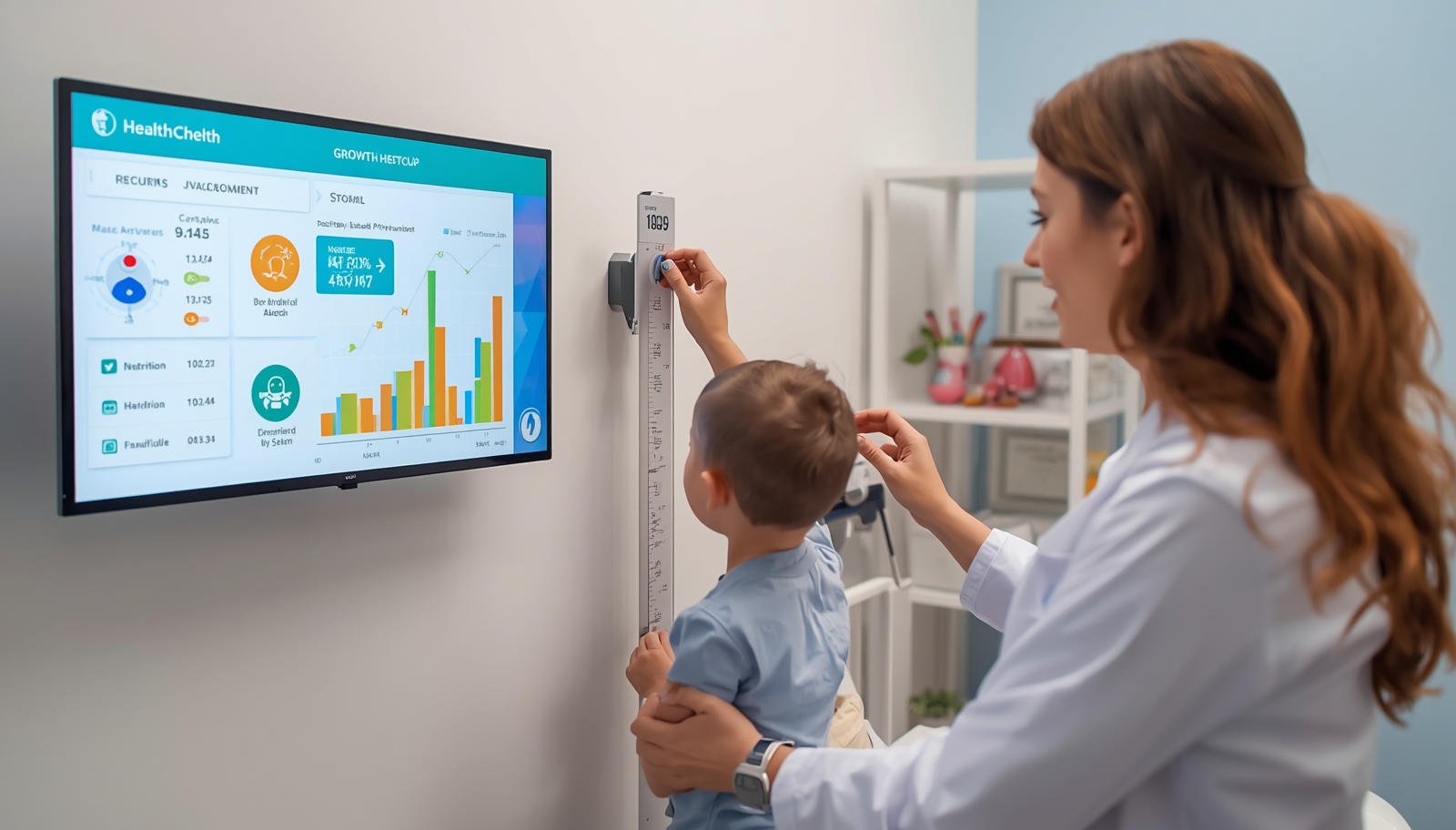
Growth monitoring systems
Growth monitoring tracks physical development over time.
Methods include:
- Growth charts
- Weight measurement
- Height tracking
Monitoring helps identify growth delays early.
Regular assessment supports timely intervention.
Developmental screening
Developmental screening identifies delays in skills.
Screening includes:
- Speech evaluation
- Motor skill assessment
- Behavioral observation
Early detection supports corrective intervention.
Healthcare providers use screening tools at routine visits.
Common childhood health issues
Children may experience common health conditions.
Examples include:
- Respiratory infections
- Digestive issues
- Skin infections
Most conditions are manageable with early care.
Prevention reduces frequency of illness.
Role of caregivers in child health
Caregivers support health routines and development.
Responsibilities include:
- Feeding management
- Medical visit attendance
- Hygiene guidance
- Emotional support
Caregiver involvement affects health outcomes.
Consistency in care improves stability.
Healthcare system role in child development
Healthcare systems provide structured child care services.
Functions include:
- Immunization programs
- Growth monitoring
- Disease treatment
- Developmental screening
Healthcare systems support long term child health tracking.
Environmental factors in child health
Environment affects growth and immune strength.
Factors include:
- Clean living conditions
- Safe water access
- Air quality
- Nutrition availability
Safe environments reduce disease exposure.
Environmental stability supports development.
Early intervention in health issues
Early intervention addresses health issues before progression.
Intervention includes:
- Medical treatment
- Nutritional support
- Development therapy
Early action improves long term outcomes.
Delayed treatment may affect development.
Role of education in health awareness
Education supports child health understanding in families.
Education includes:
- Nutrition knowledge
- Hygiene practices
- Vaccination importance
Awareness improves health decision making.
Long term child health planning
Long term planning supports continuous development tracking.
Planning includes:
- Regular checkups
- Vaccination schedules
- Growth tracking
- Development assessment
Planning ensures structured health care over time.
Conclusion
Child healthcare guidance ensuring growth development and strong immune systems focuses on physical growth, immune function, and developmental progress. These elements work together to support healthy childhood development.
Growth monitoring, nutrition, vaccination, hygiene, and caregiver involvement form the basis of child health care. Development tracking and early intervention support long term outcomes.
Structured healthcare systems and consistent caregiving support stable growth, development, and immune function across childhood stages.


